
Reach out
WS.PEMS
Energy Efficiency
Continuous engine performance monitoring reveals where fuel is being consumed. We give the operations managers the data to act, and compliance managers with the evidence to report.
Efficiency gains start with understanding where the energy goes
Improving a vessel's energy efficiency requires more than measuring fuel consumption. You need to understand the physical relationship between engine load, combustion conditions, and the energy that actually drives the propeller. And where the rest is lost. Weel & Sandvig's flagship technology WS.PEMS does exactly that. Our platform applies the same physics-based approach used for emission monitoring to deliver a continuous picture of your engines' energy performance.
The companies that manage their CII ratings most effectively are not the ones that react to their annual score. They are the ones with real-time visibility throughout the year. WS.PEMS gives you that visibility, without a single additional sensor.
Compliance and regulations
WS.PEMS produces the calibrated, continuous performance data that underpins EEXI calculations and CII annual ratings. This gives you a defensible methodology and a full data trail for flag state submissions and third-party verification.
Real-time SFOC monitoring
Specific Fuel Oil Consumption is the core metric of engine efficiency. WS.PEMS calculates SFOC continuously from your existing engine instrumentation, allowing operations teams to identify deviations from baseline before they translate into wasted fuel and CII rating deterioration.
No new hardware required
WS.PEMS derives energy performance data from the instrumentation already in your engine monitoring system. Deployment is fast, there is no disruption to operations, and the system runs alongside your existing fleet management software.
Identify inefficiencies while the vessel is still at sea
By the time a vessel's annual regulation reporting has arrived, the opportunities to improve it have already passed. WS.PEMS gives you a live view of energy performance throughout each and every voyage: SFOC trends, engine load distribution, and combustion efficiency. This means deviations can be investigated and addressed while the ship is still underway.
Voyage planning, speed decisions, and load management can be made on the basis of current performance data rather than historical averages. The fuel cost saving and mitigation of each decision are visible before the voyage is complete. This turns energy management from an annual accounting exercise into a continuous operational discipline.


All your compliance covered by a single data source
In the shipping industry, you need to comply to a number of compliance rules. Each one draws on overlapping datasets around fuel consumption, energy output, and propulsion efficiency. WS.PEMS provides a single, continuous data source that feeds all of them.
This reduces the administrative burden of compliance documentation while ensuring that every figure submitted to flag state authorities, the EU, or third-party verifiers traces back to the same physically grounded model. When the annual regulatory deadlines approach, the data record is already there. It is already complete, consistent, and ready to present. No end-of-year scramble, no gaps in the record, and no reliance on fuel consumption estimates that cannot be independently verified.
Discover More
Download our PDF to learn more about WS.PEMS, or explore additional information on our website.

 WS.PEMSOGMP 2.0
Download WS.PEMS PDF
Gain insights into WS.PEMS and the benefits of continuous engine performance monitoring for shipping.
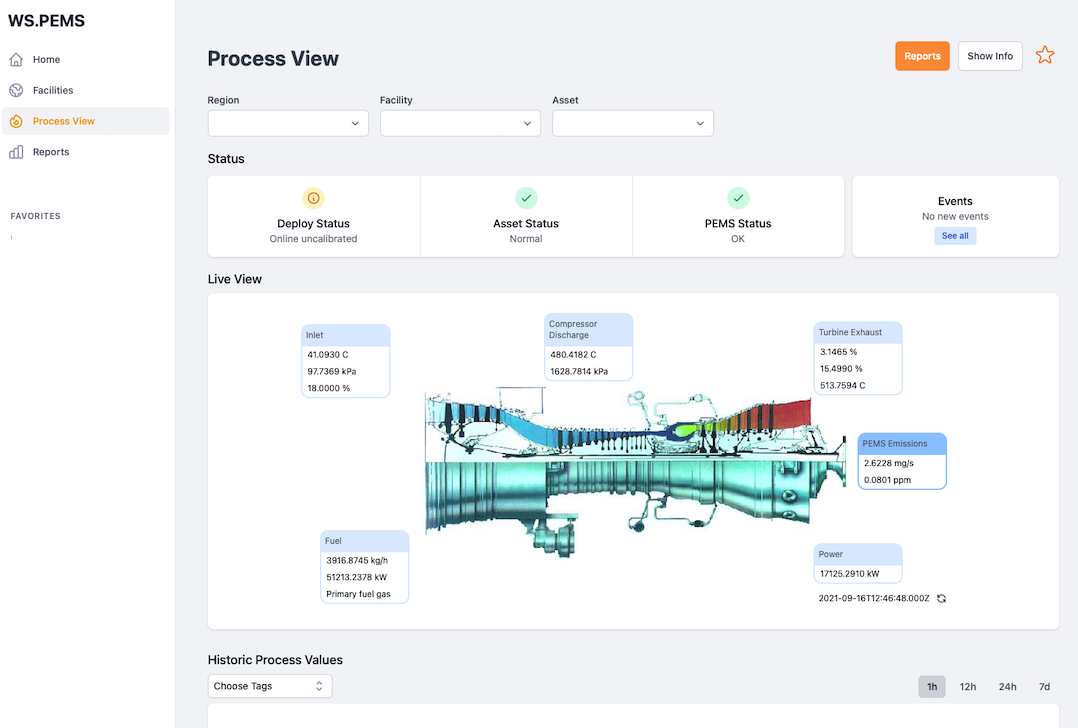
Read More About WS.PEMS
Explore further details about WS.PEMS, our predictive emission monitoring system.